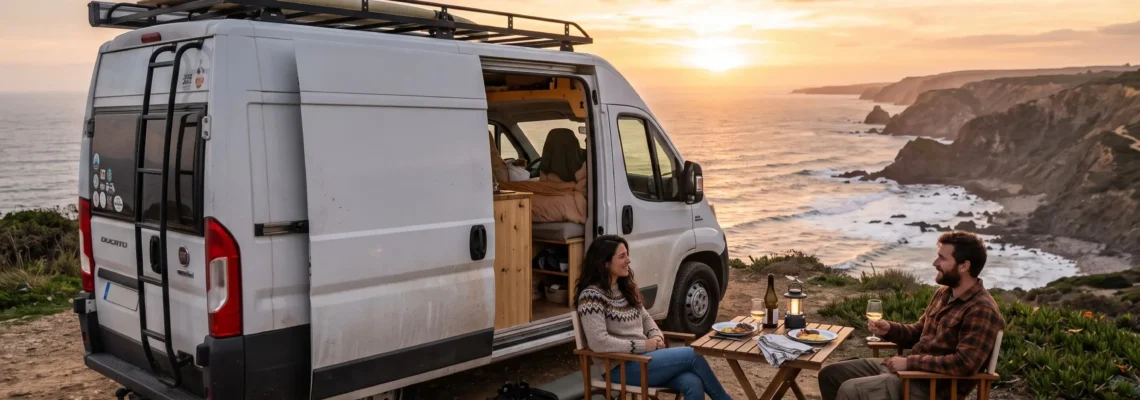
Here’s what seasoned travelers know: most first-timers sabotage their trips not through under-planning, but through exhausting over-preparation that drains enthusiasm before the journey begins. The couple who spent three months researching the perfect route often enjoys their trip less than the pair who made three smart decisions and trusted the road to provide the rest.
This guide identifies those critical choices while actively discouraging the paralysis-inducing detail that keeps campervans parked in driveways instead of exploring coastlines. You’ll discover what genuinely matters, what you can figure out as you go, and—crucially—what experienced travelers have learned to completely ignore.
Your confidence-building launch checklist
- Limit daily driving to 2-3 hours maximum to maintain energy and spontaneity, not the 5-6 hours ambitious beginners schedule
- Balance strategic advance booking for peak-season coastal spots with flexibility for inland exploration—you don’t need every night pre-arranged
- Choose your vehicle by toilet system type and bed configuration comfort, not just passenger capacity and daily rate
- Pack the tier-1 essentials (leveling chocks, electric hook-up cable, headtorch) but give yourself permission to buy forgotten items en route
- Your plans will adapt within the first 48 hours, and that evolution signals success rather than failure
What actually matters before you set off
The most common mistake first-timers make is treating their campervan journey like a military operation. Couples posting 50-page itineraries often return more stressed than travelers who simply identified their first destination and departed. Three decisions account for 80% of trip success: daily driving rhythm, booking philosophy, and departure timing—everything else adapts easily once you’re mobile.
The success of a maiden voyage often hinges on the logistics of the departure itself. For international travelers landing in the French capital, choosing a professional campervan hire at Roissy offers a significant strategic advantage. Starting your journey from a specialized hub outside the city center allows for immediate access to major northern motorways, bypassing urban congestion. This approach ensures a calm environment for your initial vehicle familiarization, where experts can walk you through the technical aspects of the water, gas, and electrical systems before you head toward your first scenic destination.
Choosing your travel window and realistic distances
Experienced campervan travelers consistently recommend limiting yourself to 2-3 hours of driving per day, yet first-time itineraries routinely schedule double that distance. The enthusiasm to ‘see everything’ collides brutally with the reality that campervans cruise comfortably at 90-100 km/h, require regular fuel and refreshment stops, and transform drivers into exhausted zombies when pushed beyond sustainable rhythms.
A couple planning their first week-long tour initially mapped seven destinations across four countries, averaging 4-5 hours daily driving. Within two days, exhaustion and an unexpectedly charming village prompted a reset. Limiting drives to mornings, they covered half the distance and rated it their best holiday in a decade.
Route philosophy: structure versus spontaneity
The sweet spot balances a rough directional framework with tactical flexibility. Identify your general touring region—Atlantic coast, Alpine valleys, Scandinavian fjords—and perhaps mark 3-4 anchor points you’d genuinely regret missing. Resist the temptation to plot every overnight stop in advance unless you’re traveling during absolute peak season to the most competitive destinations.
What the brochures don’t tell you is how weather, fellow traveler recommendations, and your own evolving energy levels reshape plans within 48 hours. The rigid itinerary becomes a source of stress when sunshine beckons you to extend a beach stay but you’ve pre-paid a campsite 200 km north for that evening. Experienced travelers book strategically—securing high-demand spots during July-August coastal touring—while leaving 60-70% of nights deliberately unplanned.
Booking strategy for peace of mind
Here’s what seasoned travelers know about campsite reservations: the answer to ‘how far in advance should I book?’ depends entirely on when and where you’re traveling. Peak summer season (July-August) across popular coastal regions in France, Spain, and Italy demands advance planning, with desirable pitches filling 4-6 weeks ahead. Recent industry data from ACSI confirms that European campsite prices averaged €38.60 per night during high season for a family pitch with electricity, rising by 3.7% compared to the previous year—and those prime coastal spots book fastest.
The reality on the ground shows a different picture for shoulder seasons and inland areas. April-May and September-October travelers enjoy near-total spontaneity, often securing excellent pitches with same-day or next-day availability. A family planning coastal exploration during peak season initially assumed every night required advance booking, arriving at popular beach towns to discover ‘full’ signs everywhere. Their adaptive strategy—pre-booking Friday-Sunday nights at competitive coastal campsites while staying flexible for Monday-Thursday inland exploration—delivered both security and freedom. Wild camping legality varies dramatically by country, with Scotland offering particularly permissive access rights under responsible use principles, while England and much of continental Europe require more careful location selection.
Selecting your mobile base: what beginners overlook
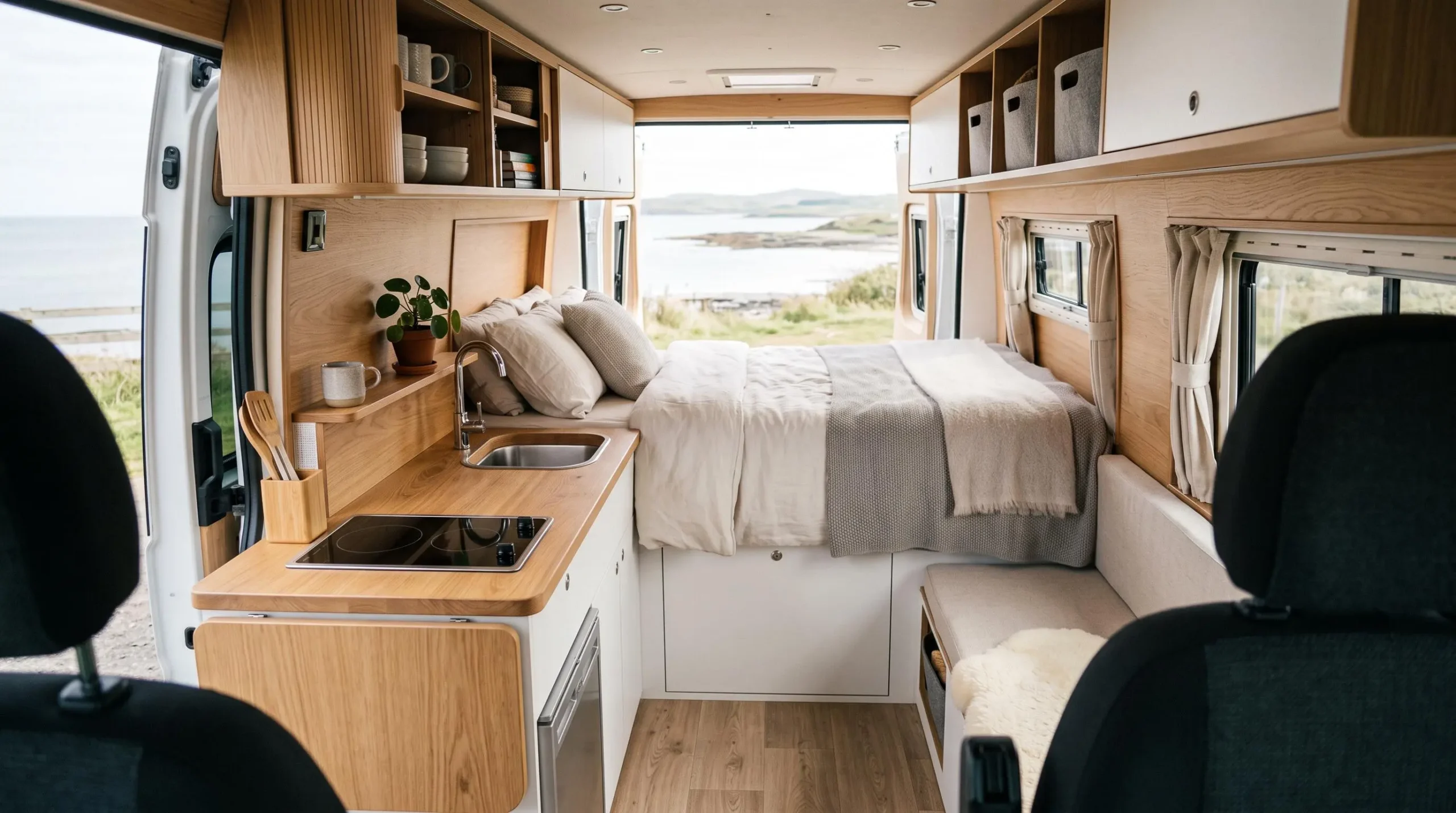
Rental comparison sites train beginners to filter by passenger capacity and daily rate, but the features that genuinely shape your lived experience hide several clicks deeper in specification sheets. The difference between a mediocre trip and a transformative one often traces back to toilet system type, bed configuration, and—surprisingly—your rental departure location’s strategic value for your intended route.
| Overlooked Feature | Daily Impact | Beginner Assumption | Experienced Reality |
|---|---|---|---|
| Cassette vs porta-potti toilet | Emptying frequency & location flexibility | ‘All toilets are the same’ | Cassette = 4-5 days, more disposal points; Porta-potti = 2-3 days, fewer facilities |
| Fixed bed vs convertible | Evening flexibility & setup effort | ‘Convertible = more daytime space’ | Fixed bed = immediate rest anywhere; Convertible = daily pack-away ritual |
| Manual vs automatic transmission | City driving stress & hill confidence | ‘I drive manual at home’ | Larger vehicle + unfamiliar size = automatic reduces cognitive load significantly |
| Rental departure hub location | European touring logistics | ‘Cheapest quote wins’ | Airport hub location = immediate motorway access to multiple countries, zero city navigation |
The forgotten essentials and what to skip
The reality proves different from expectations when first-timers discover that packing lists circulating online mix genuinely trip-ruining omissions with items you’ll never touch. Rather than overwhelming you with encyclopedic inventories, experienced travelers organize essentials by consequence severity—what genuinely wrecks your trip versus mild inconveniences versus complete wastes of precious storage space.
A solo traveler renting a compact campervan initially packed as though preparing for Arctic exploration, cramming the limited space with ‘just in case’ items that transformed the cozy interior into a claustrophobic storage unit. The breakthrough came from adopting the ‘one week rule’: if you can manage comfortably for seven days with a curated selection, you can manage indefinitely with those same essentials. European towns and villages offer shops where forgotten items become available within hours, not days of desperate searching.
- Tier 1: Trip-ruining if forgotten — Leveling chocks (sleep quality + fridge efficiency), electric hook-up cable (campsite power access), fresh water hose (drinking water refills), headtorch (essential for nighttime exterior tasks), driving documents (license, insurance, vehicle registration if applicable)
- Tier 2: Significant inconvenience — Toilet chemical fluids (specific formulations required, not household cleaners), waste water container (if no onboard grey tank), basic tool kit (minor adjustments), first aid supplies, clothes pegs and line (drying in compact space)
- Tier 3: Nice-to-have, easily replaced en route — Specialty cookware (local shops stock basics everywhere), excess clothing beyond one week’s rotation (laundry facilities common at campsites), entertainment and books (digital alternatives eliminate weight)
Attention: Use only approved chemical toilet fluids specifically designed for campervan sanitation systems. Household cleaners damage seals, breach environmental disposal regulations, and void rental warranties. Rental companies typically provide initial supplies and guidance on where to purchase refills along your route.
Before departing the rental depot, invest 15-20 minutes in methodical vehicle checks rather than rushing off in excitement. Experienced travelers don’t perform this inspection out of paranoia but because identifying issues at the depot—faulty fridge connections, missing equipment, unclear operation procedures—proves infinitely easier than troubleshooting remotely three days into your journey. Ask the rental team to demonstrate toilet cassette removal, fresh water filling points, and electrical system basics even if it feels tedious; those 20 minutes deliver confidence worth far more than the delay.
Daily rhythms on the road: making it work
Romantic marketing imagery focuses on sunset views and mountain backdrops, conveniently omitting the prosaic daily tasks that form the actual rhythm of campervan life. What actually happens during a typical touring day involves micro-habits around utilities management, neighbor relations, and personal hygiene that seasoned travelers master within 72 hours but first-timers often discover through awkward trial and error.
Pro Tip: Arrive at campsites or overnight spots by mid-afternoon rather than pushing drives into evening. Early arrival secures better pitch choices, provides daylight for setup and familiarization, and allows time for neighborly introductions that often yield the trip’s best local recommendations. Late arrivals in the dark transform simple tasks into frustrating fumbles.
Fresh water tank capacity dictates refill frequency, typically every 2-3 days for two people with conservative usage—though tracking your actual consumption during the first few days helps establish realistic intervals rather than guessing. Grey water (washing-up, shower drainage) fills faster than beginners expect, requiring disposal access roughly as often as fresh refills. The unglamorous truth? Daily campervan living involves thinking about water and waste systems in ways hotel guests never contemplate, but the routines become automatic remarkably quickly.
Understanding the criteria for a car hire booking extends beyond initial price comparison—distinguishing between genuinely different service levels and superficial marketing claims shapes your rental experience significantly. Look for transparent policies on mileage allowances, insurance excess levels, and out-of-hours contact support rather than focusing solely on daily rates. Campsite etiquette expectations remain remarkably consistent across Europe: respect quiet hours (typically 23:00-07:00), keep pets on leads in communal areas, and position your setup to avoid blocking neighbors’ through-access. Small courtesies—offering a friendly greeting, keeping music at conversational volumes, clearing your pitch thoroughly upon departure—build the positive community atmosphere that transforms functional campsites into genuinely enjoyable social spaces.
Your questions about starting out
Is wild camping safe for first-timers traveling solo?
Safety in wild camping depends more on location choice than solo versus group status. Stick to established overnight parking areas—apps like Park4Night show vetted spots with traveler reviews—avoid completely isolated locations for your first experiences, and trust your instincts when a spot feels uncomfortable. Solo travelers successfully wild camp across Europe by choosing sensible locations and maintaining normal security practices (locking doors, not advertising valuables). Scotland offers the most permissive legal framework, as VisitScotland’s official guidance confirms, granting responsible access rights to most unenclosed land under the Land Reform Act. England and many European countries require more careful spot selection to avoid legal complications.
Can you realistically campervan travel in winter, or is it summer-only?
Winter campervan travel is entirely feasible with appropriate preparation, though the experience differs significantly from summer touring. Key considerations include ensuring your vehicle has effective heating (diesel heater or gas system), recognizing that insulation quality matters dramatically, and accepting that campsite availability reduces significantly in coastal resort areas while inland and mountain regions often remain open year-round. Winter advantages: dramatically lower campsite costs, zero booking pressure, and access to spectacular snowy landscapes. Drawbacks: shorter daylight hours, some mountain passes close seasonally, and wild camping becomes less comfortable. First-timers might consider shoulder seasons (April-May, September-October) as a middle ground offering favorable weather with off-peak flexibility.
What’s the realistic all-in daily cost including fuel, campsites, and food?
Budget typically £60-100 per day for two people on a balanced European campervan trip (2024 estimates). Breakdown: campsite with electric hook-up typically averaging £30-40 per night across France and Spain, fuel for covering 150-200 km daily running approximately £15-25 depending on vehicle efficiency and current prices, plus food and supplies contributing £20-30 when mixing supermarket shopping with occasional restaurant meals. Wild camping reduces accommodation costs to zero but limits facilities access. Luxury campsite chains push daily costs toward £120-150, while off-season travel (October-March) can reduce campsite expenses by 30-50%. Hidden costs newcomers overlook: toll roads in France (budget £30-50 for long north-south routes), ferry crossings if island-hopping, and gas refills if your heating and cooking systems rely on LPG.
Do campsites actually accept pets, or is that mostly marketing?
The majority of European campsites genuinely welcome pets, though policies vary by location. Typical pattern: dogs accepted with small surcharge (£2-5 per night), breed restrictions rare in UK and European sites unlike some other regions, with expectations including keeping pets on leads in campsite communal areas and immediate waste cleanup. Some premium campsites designate specific pet-free zones for guests with allergies. Practical considerations for traveling with pets: heat management in vehicles during warm days (never leave pets in closed campervans under direct sun), regular exercise needs (dogs adapt well to touring lifestyle with frequent stops), and carrying proper documentation for border crossings including pet passports for EU travel from the UK.
Your immediate action steps for confident departure
- Cap your daily driving at 2-3 hours to preserve energy for actually experiencing locations rather than just passing through them
- Pre-book strategically for peak-season coastal weekends while maintaining flexibility for 60-70% of your nights
- Choose your rental vehicle by toilet type and bed configuration, not just size—these details shape daily comfort dramatically
- Pack tier-1 essentials religiously (leveling chocks, EHU cable, headtorch) but trust that forgotten tier-2 items become available within hours
- Arrive at overnight spots by mid-afternoon for optimal pitch selection and stress-free setup in daylight