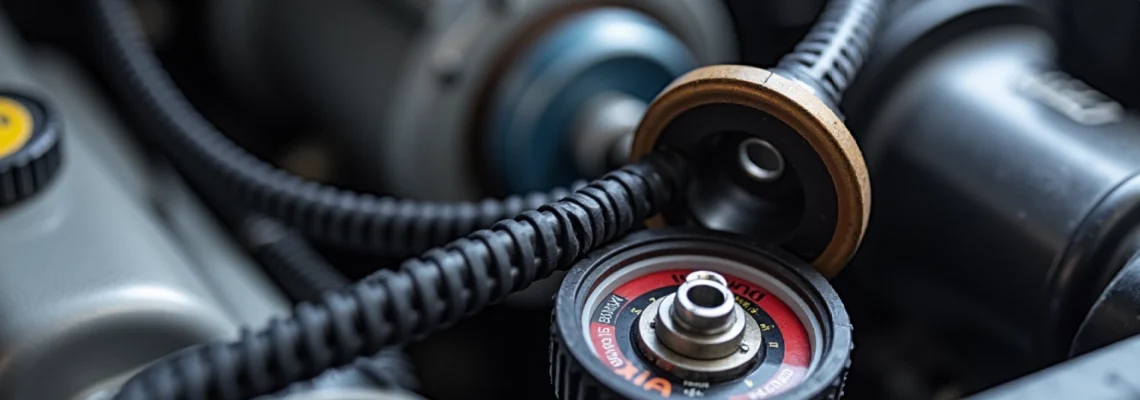
Vehicle belts and hoses represent the circulatory system of your engine, silently working to maintain optimal performance whilst enduring extreme temperatures, chemical exposure, and constant mechanical stress. When these critical components fail, the consequences can range from inconvenient breakdowns to catastrophic engine damage costing thousands of pounds. Understanding the early warning signs of deterioration allows you to take proactive measures before complete failure occurs.
Modern vehicles rely heavily on complex belt and hose systems to power essential components such as alternators, water pumps, power steering systems, and air conditioning compressors. The serpentine belt alone can power up to eight different accessories simultaneously , making its failure particularly disruptive. Similarly, radiator hoses handle pressures exceeding 15 PSI whilst managing coolant temperatures that can reach 120°C or higher.
Preventive maintenance through systematic inspection can extend component life by up to 40% compared to reactive replacement strategies. Professional automotive technicians recommend monthly visual inspections combined with quarterly hands-on assessments to identify potential issues before they escalate into expensive repairs.
Visual inspection techniques for serpentine belt deterioration
The serpentine belt system represents one of the most critical yet vulnerable components in modern engines. Unlike older multi-belt configurations, today’s single serpentine belt drives multiple accessories, meaning its failure can disable several systems simultaneously. Effective visual inspection requires proper lighting and a systematic approach to identify early warning signs of deterioration.
Begin your inspection with the engine switched off and completely cool. Use a torch or inspection light to illuminate the belt surface, examining both the ribbed side that contacts the pulleys and the smooth back surface. Look for any deviation from the belt’s original uniform appearance, as even minor surface changes can indicate underlying structural problems that will worsen over time.
Identifying longitudinal cracks in EPDM rubber compounds
Ethylene Propylene Diene Monomer (EPDM) rubber compounds have become the standard material for modern serpentine belts due to their superior heat resistance and longevity. However, these compounds develop characteristic longitudinal cracks as they age, typically appearing as hairline fractures running parallel to the belt’s length. These cracks usually manifest first on the belt’s ribbed surface where stress concentrations are highest.
Longitudinal cracks shorter than 6mm typically indicate normal wear , whilst cracks exceeding 10mm suggest imminent failure risk. Count the number of cracks per rib section – more than three cracks per 25mm of belt length indicates replacement is necessary. Pay particular attention to crack depth, as fissures penetrating beyond the surface layer compromise the belt’s structural integrity significantly.
Recognising belt edge fraying and rib separation patterns
Edge fraying occurs when belt edges contact stationary components or misaligned pulleys, creating a characteristic torn appearance along the belt’s outer boundaries. This type of damage often indicates underlying pulley alignment issues that must be addressed during replacement to prevent premature failure of the new belt. Examine both edges carefully, as fraying patterns can reveal specific alignment problems affecting different sections of the belt path.
Rib separation represents a more serious form of deterioration where individual ribs begin detaching from the belt’s backing material. This separation typically starts as small tears at rib bases and progresses until entire rib sections peel away.
Once rib separation begins, complete belt failure usually occurs within 500-1000 miles of driving
, making immediate replacement essential for preventing roadside breakdowns.
Detecting glazing and hardening through surface texture analysis
Belt glazing appears as a shiny, smooth surface finish that develops when rubber compounds harden due to excessive heat exposure or chemical contamination. Run your finger across the belt’s surface – healthy EPDM rubber should feel slightly tacky with a matte finish, whilst glazed belts feel slippery and appear reflective under light. This hardening process reduces the belt’s grip on pulleys, leading to slippage and potential overheating of driven components.
Temperature-induced hardening often creates a characteristic pattern where the most stressed areas appear darker and smoother than surrounding sections. Check for oil contamination, which accelerates glazing and creates distinctive staining patterns. Contaminated belts require immediate replacement along with identification and repair of the oil source to prevent recurring problems.
Measuring belt stretch using gates corporation tension gauges
Professional tension measurement provides the most accurate assessment of belt condition beyond visual inspection alone. Gates Corporation tension gauges measure belt deflection under standardised load conditions, revealing stretch that isn’t visible to the naked eye. A properly tensioned serpentine belt should deflect 6-12mm per foot of span when subjected to 10 pounds of perpendicular force.
Belt stretch occurs gradually as the internal cord structure weakens, allowing the belt to elongate beyond design specifications. This elongation reduces tension on all driven accessories, potentially causing alternator undercharging, power steering pump cavitation, and water pump inefficiency. Measure tension at the longest straight run between pulleys for the most accurate reading, avoiding areas where the belt curves around pulley circumferences.
Comprehensive radiator hose assessment methods
Radiator hoses operate under some of the most demanding conditions in automotive applications, handling pressurised coolant at temperatures approaching the boiling point whilst maintaining flexibility throughout temperature cycles ranging from -40°C to +120°C. These extreme operating conditions necessitate regular inspection using both visual and tactile assessment techniques to identify deterioration before catastrophic failure occurs.
The cooling system in modern vehicles operates at pressures typically ranging from 13-18 PSI, placing significant stress on hose walls and connection points. Unlike belts, which fail gradually through progressive deterioration, radiator hoses often fail suddenly through rupture or complete separation from connection points, making preventive assessment critical for avoiding engine damage from overheating.
Squeeze test protocol for silicone and EPDM coolant hoses
The squeeze test represents the most effective hands-on method for assessing hose wall integrity and internal condition. Perform this test only when the engine is completely cool and the cooling system is depressurised. Gently squeeze the hose at multiple points along its length, feeling for consistency in wall thickness and flexibility. Healthy coolant hoses should feel firm yet pliable, returning to their original shape immediately when pressure is released.
Areas that feel soft, spongy, or fail to spring back indicate internal deterioration or delamination between rubber layers. Hardened sections that resist compression suggest heat damage or chemical degradation , both of which compromise the hose’s ability to handle pressure surges. Pay particular attention to areas near clamps and connection points, where stress concentrations make failures most likely to occur.
Identifying electrochemical degradation in lower radiator hoses
Electrochemical degradation (ECD) represents one of the most insidious forms of hose deterioration, attacking the rubber compound from the inside through chemical reactions between coolant additives and the hose material. This process creates microscopic cracks in the inner liner that gradually propagate outward, weakening the hose structure whilst remaining largely invisible from external inspection.
Lower radiator hoses are particularly susceptible to ECD due to their position in the cooling system where they encounter the highest concentration of chemical contaminants and debris. Look for fine surface cracking in a web-like pattern, often accompanied by slight discolouration or a chalky residue on the hose surface.
ECD-affected hoses typically fail within 12-18 months once symptoms become visible
, making prompt replacement essential when these signs are detected.
Spotting ozone cracking patterns on dayco and continental hoses
Atmospheric ozone creates characteristic cracking patterns on rubber hoses, particularly those manufactured by leading suppliers like Dayco and Continental. These cracks typically appear as fine lines running perpendicular to the hose’s length, creating a distinctive cross-hatched appearance on the outer surface. Ozone cracking develops gradually over time as ultraviolet radiation and atmospheric pollutants break down the rubber’s molecular structure.
Examine hoses carefully in areas with high ozone exposure, such as the engine bay’s upper regions where exhaust gases and atmospheric pollutants concentrate. Ozone cracks typically begin as hairline surface fissures but can penetrate completely through the hose wall if left untreated. Count crack density – more than five cracks per square centimetre indicates advanced deterioration requiring immediate replacement.
Evaluating hose clamp corrosion and sealing integrity
Hose clamp condition directly affects cooling system integrity, as corroded or improperly tightened clamps represent common failure points that can cause sudden coolant loss. Inspect clamp surfaces for rust, corrosion, or deformation that might compromise their sealing ability. Worm-gear clamps should show no signs of thread damage or band separation, whilst spring clamps must maintain adequate tension to prevent leakage under pressure.
Check for coolant residue around clamp areas, which indicates seepage that will worsen over time. Tighten loose clamps according to manufacturer specifications – typically 25-35 Nm for most automotive applications. Replace clamps showing significant corrosion or those that cannot maintain proper torque values, as even minor leaks can lead to air ingestion and overheating problems.
Advanced diagnostic tools for preventive belt maintenance
Professional-grade diagnostic equipment enables precise assessment of belt and pulley system condition beyond what visual inspection alone can reveal. These sophisticated tools help identify developing problems before they become visible, allowing for predictive maintenance scheduling that minimises downtime and prevents catastrophic failures. Investment in proper diagnostic equipment pays dividends through reduced warranty claims and improved customer satisfaction.
Fluke 568 infrared thermometer temperature mapping techniques
Infrared thermometry provides non-contact temperature measurement that reveals thermal patterns indicating bearing problems, misalignment, or excessive friction in belt-driven systems. The Fluke 568 offers exceptional accuracy and repeatability for automotive diagnostic applications, with measurement ranges suitable for all engine bay components. Temperature differentials exceeding 15°C between similar components typically indicate developing problems requiring further investigation.
Create thermal maps by measuring temperatures at multiple points along each pulley and bearing assembly during normal operating conditions. Compare readings between similar components – alternator bearings should show temperatures within 10°C of each other, whilst significant variations suggest imminent bearing failure. Document baseline temperatures for future comparison, as trending analysis reveals developing problems more effectively than single-point measurements.
Laser belt alignment tools for pulley system analysis
Precise pulley alignment represents a critical factor in belt longevity, with misalignment as small as 1-2 degrees significantly reducing service life. Laser alignment tools project precise reference lines that reveal angular and parallel misalignment conditions invisible to visual inspection methods. These tools eliminate guesswork from alignment procedures, ensuring optimal belt tracking and maximum service life.
Modern laser alignment systems offer measurement accuracy within 0.1mm over spans exceeding one metre, sufficient for detecting alignment issues that cause premature belt wear.
Proper alignment can extend belt life by up to 300% compared to systems with minor misalignment problems
, making investment in quality alignment tools economically justified for professional service facilities.
Vibration analysis using PCE-VT 3800 meters
Vibration analysis reveals developing mechanical problems in belt-driven systems through frequency analysis of bearing, pulley, and accessory vibrations. The PCE-VT 3800 meter captures vibration signatures across frequency ranges covering all common automotive failure modes, from bearing defects to belt tensioner problems. Establish baseline vibration signatures for each system, then monitor for changes indicating developing problems.
Focus on critical frequency ranges – bearing defects typically manifest at 1000-5000 Hz, whilst belt problems appear in lower frequency ranges around 100-500 Hz. Vibration amplitude increases of 50% or greater indicate significant deterioration requiring immediate attention. Regular vibration monitoring enables condition-based maintenance scheduling that optimises component life whilst preventing unexpected failures.
Timing belt specific inspection protocols
Timing belts operate under unique conditions that require specialised inspection techniques beyond those used for serpentine belts. These critical components maintain precise synchronisation between crankshaft and camshaft rotation, with failure potentially causing catastrophic engine damage in interference engines. The enclosed nature of timing belt systems complicates inspection, requiring removal of protective covers and careful attention to subtle warning signs.
Unlike serpentine belts that fail gradually through progressive deterioration, timing belts often fail suddenly with little warning. This characteristic makes scheduled replacement based on mileage intervals more critical than condition-based replacement strategies. However, interim inspections can reveal accelerated wear patterns that necessitate earlier replacement, preventing costly engine damage from premature failure.
Timing belt inspection requires engine shutdown and proper safety procedures due to the rotating machinery involved. Remove timing covers carefully, noting the position of timing marks before disturbing any components. Document belt tooth condition, paying particular attention to areas where the belt engages smaller diameter pulleys where stress concentrations are highest. Look for missing teeth, cracking between teeth, or shiny wear patterns indicating excessive tension or misalignment.
Measure belt width at multiple points to detect stretching, which can affect timing accuracy even before visible deterioration occurs. Timing belts should maintain consistent width within manufacturer tolerances – typically ±0.5mm for most automotive applications. Check tensioner operation by observing spring compression and ensuring smooth movement throughout the adjustment range.
Power steering and air conditioning hose failure indicators
Power steering and air conditioning systems operate at significantly higher pressures than cooling systems, creating unique failure modes that require specific inspection techniques. Power steering systems typically operate at pressures exceeding 1000 PSI during full lock conditions, whilst air conditioning systems reach pressures approaching 400 PSI on the high-pressure side. These extreme operating conditions accelerate hose deterioration and create safety hazards when failures occur.
Power steering hose failures often manifest through gradual seepage that progresses to sudden rupture under maximum pressure conditions. Inspect hoses during steering lock conditions when possible, noting any weepage around crimped connections or through hose walls. Power steering fluid has distinctive characteristics that make leak detection relatively straightforward – look for reddish or amber-coloured staining around hose connections and underneath the vehicle.
Air conditioning hoses present additional challenges due to the refrigerant’s environmental impact and safety concerns. R-134a and newer R-1234yf refrigerants require specialised handling procedures and leak detection equipment. Look for oil residue around hose connections, which indicates refrigerant leakage that carries lubricating oil from the system. Use electronic leak detectors calibrated for the specific refrigerant type to identify leaks too small for visual detection.
Air conditioning hose failures typically occur at crimped connections rather than through hose walls
, making connection point inspection particularly important. Check for corrosion, physical damage, or looseness that might compromise seal integrity. Vibration-induced fatigue represents a common failure mode, particularly on hoses routed near engine mounts or exhaust components where thermal cycling and mechanical stress combine to accelerate deterioration.
Proactive replacement scheduling based on mileage and operating conditions
Effective belt and hose maintenance requires balancing condition-based assessment with predetermined replacement intervals based on mileage, operating conditions, and component design life. Severe service conditions significantly accelerate deterioration rates, necessitating shortened replacement intervals to maintain reliability. Understanding these factors enables development of maintenance schedules that optimise component life whilst preventing unexpected failures.
Operating environment dramatically affects component longevity – vehicles operating in dusty conditions experience accelerated belt wear from abrasive contamination, whilst those in coastal areas suffer accelerated corrosion of metal components. Temperature extremes stress rubber compounds beyond design limits, with both extreme heat and cold reducing service life. Vehicles operating primarily in stop-and-go traffic experience 40-60% shorter component life compared to highway-driven vehicles due to increased thermal cycling and operating hours per mile.
Establish replacement intervals based on worst-case operating conditions rather than ideal scenarios to ensure reliability. Timing belts require rigid adherence to manufacturer intervals regardless of apparent condition, typically ranging from 60,000-100,000 miles depending on engine design. Serpentine belts can often exceed 100,000 miles in ideal conditions but should be replaced every 60,000 miles in severe service applications.
Coolant hoses benefit from replacement every 4-5 years regardless of mileage, as rubber deterioration occurs with age even in low-mileage applications. Document replacement
history using a consistent format that includes date, mileage, component type, and reason for replacement. This documentation helps identify patterns and adjust maintenance intervals based on actual experience rather than theoretical projections.
Fleet managers should establish component-specific maintenance schedules that account for vehicle usage patterns and environmental factors. High-mileage vehicles benefit from shortened intervals, whilst vehicles used primarily for short trips require attention to thermal cycling effects that accelerate rubber deterioration. Seasonal inspections before extreme weather periods help prevent failures during the most demanding operating conditions , when roadside assistance may be limited and repair costs elevated.
Consider implementing predictive maintenance programs that combine regular inspections with component age tracking to optimise replacement timing. Replace belts and hoses as complete systems rather than individual components to ensure compatibility and reduce labour costs associated with multiple service visits. This systematic approach maximises uptime whilst controlling maintenance expenses through efficient scheduling and bulk purchasing of replacement components.