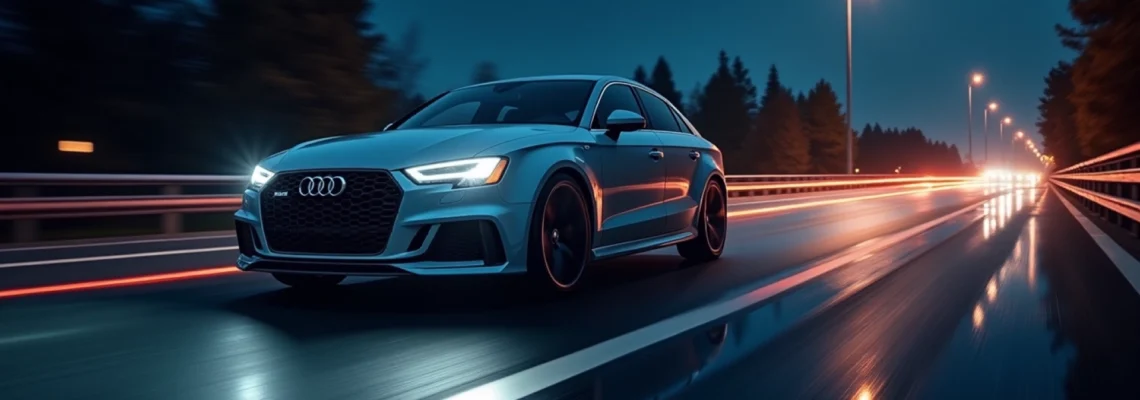
Nighttime driving presents unique challenges that affect every driver’s safety and comfort on the road. With visibility reduced by up to 90% after dark, the importance of proper automotive lighting cannot be overstated. Modern lighting technology has evolved dramatically from simple incandescent bulbs to sophisticated LED matrices and xenon systems, each offering distinct advantages for different driving conditions. The choice between halogen, HID xenon, and LED technologies significantly impacts not only your ability to see the road ahead but also how other drivers perceive your vehicle’s presence. Understanding the technical specifications, legal requirements, and practical applications of various lighting components empowers drivers to make informed decisions that enhance road safety for everyone.
LED headlight technology and lumen output specifications
LED headlight technology has revolutionised automotive lighting through superior energy efficiency and exceptional longevity. Modern LED systems produce between 3,000 to 6,000 lumens per bulb, significantly outperforming traditional halogen alternatives that typically generate only 1,200 to 1,500 lumens. This substantial increase in light output translates to improved visibility distances of up to 250 metres, compared to the 150-metre range of conventional halogen systems.
The efficiency advantage of LED technology extends beyond mere brightness measurements. LED headlights consume approximately 75% less energy than halogen bulbs while producing twice the luminous output. This reduced power consumption places minimal strain on the vehicle’s electrical system, particularly beneficial for vehicles equipped with extensive electronic accessories or stop-start engine technology.
Heat management represents another critical advantage of LED lighting systems. Unlike halogen bulbs that waste 90% of their energy as heat, LEDs convert most electrical energy directly into light. Advanced LED headlight assemblies incorporate sophisticated heat sinks and thermal management systems that maintain optimal operating temperatures, ensuring consistent performance and extending component lifespan to over 25,000 hours of operation.
Philips X-tremeUltinon pro9000 vs osram night breaker laser performance analysis
The Philips X-tremeUltinon Pro9000 delivers exceptional performance with 5,800K colour temperature and 250% more brightness than standard halogen bulbs. This premium LED conversion kit features patented SafeBeam technology that ensures precise light distribution without glare hotspots. Independent testing reveals beam patterns that closely match OEM specifications, maintaining proper cutoff lines essential for oncoming traffic safety.
Osram Night Breaker Laser technology takes a different approach, utilising laser-activated phosphor coating to achieve up to 220% brighter illumination. The distinctive blue ring indicator confirms authentic laser technology integration. Performance testing demonstrates superior penetration through adverse weather conditions, with enhanced contrast definition that improves hazard recognition at distances exceeding 200 metres.
Colour temperature ratings: 3000K halogen to 6500K xenon comparative studies
Colour temperature measurements directly influence visibility characteristics and driver comfort during extended nighttime journeys. Halogen bulbs operate at approximately 3000K, producing warm yellowish light that performs adequately in fog and rain but lacks the crisp definition required for optimal road sign recognition. This warmer colour temperature reduces eye strain during prolonged driving sessions but compromises distance visibility in clear conditions.
Modern LED systems typically operate between 5000K and 6000K, delivering pure white light that closely mimics natural daylight. This colour range optimises contrast sensitivity and colour discrimination, enabling drivers to distinguish between different road surface textures and identify potential hazards more effectively. Research indicates that 5500K represents the optimal balance between visibility enhancement and glare reduction for most driving conditions.
Adaptive LED matrix systems in BMW laserlight and audi matrix LED technology
BMW’s Laserlight technology represents the pinnacle of automotive illumination engineering, combining traditional LED low beams with laser-powered high beam modules. The system generates an incredible 600 metres of forward illumination while maintaining precision beam control that automatically dims sections to avoid dazzling oncoming traffic. Camera sensors continuously monitor road conditions, adjusting light distribution up to 100 times per second.
Audi’s Matrix LED technology employs a different approach, utilising individual LED segments that can be independently controlled to create dynamic lighting patterns. The system features up to 32 separate LED elements per headlight, enabling precise shadow creation around detected vehicles while maintaining maximum illumination in unoccupied road areas. This intelligent beam management significantly reduces the need for manual high beam switching during highway driving.
Candela distribution patterns and ECE R112 compliance standards
ECE R112 regulations establish strict parameters for LED headlight photometric performance, specifying minimum and maximum candela values across defined measurement zones. The standard requires specific illumination levels at key test points, ensuring adequate road surface lighting while preventing excessive glare that could impair other road users. Compliance testing involves precise measurements at 125 designated points across the projected beam pattern.
Proper candela distribution creates the characteristic sharp cutoff line that distinguishes legally compliant headlights from non-approved aftermarket alternatives. Quality LED systems incorporate sophisticated reflector designs or projector optics that shape light output to meet these stringent requirements. Understanding these technical specifications helps consumers identify legitimate products that will pass MOT inspections and provide optimal road safety performance.
Halogen bulb specifications and upgrade pathways
Traditional halogen technology remains prevalent across millions of vehicles worldwide, particularly in older models and budget-conscious new car segments. Despite technological advances in LED and HID systems, halogen bulbs continue to offer reliable, cost-effective illumination with universal compatibility across diverse vehicle platforms. Modern halogen technology has evolved significantly from early designs, incorporating improved filament structures, enhanced gas compositions, and advanced reflector coatings that maximise light output within the constraints of tungsten-filament technology.
Contemporary high-performance halogen bulbs achieve up to 150% more light output than standard OEM equipment through optimised filament positioning and refined gas mixtures. Premium halogen options feature blue-tinted glass coatings that filter yellow wavelengths, producing whiter light that approaches 4300K colour temperature. These enhancements improve road sign visibility and reduce eye fatigue during extended nighttime driving without requiring electrical system modifications or complex installation procedures.
The upgrade pathway from standard halogen to premium variants represents the most accessible lighting improvement for most drivers. Unlike LED or HID conversions that may require additional components or electrical modifications, high-performance halogen bulbs offer direct replacement compatibility with existing fixtures. This simplicity makes halogen upgrades particularly attractive for drivers seeking immediate visibility improvements without warranty concerns or regulatory complications.
H4, H7, and H11 socket configurations and wattage limitations
H4 dual-filament bulbs combine low and high beam functionality within a single unit, utilising separate filaments positioned at different focal points within the reflector assembly. Standard H4 configurations operate at 55W for low beam and 60W for high beam, with premium variants pushing these limits to 65W and 70W respectively. The distinctive three-pin connector ensures proper orientation and prevents incorrect installation that could compromise beam patterns.
H7 single-filament bulbs dominate European vehicle applications, operating exclusively in either low beam or high beam configuration depending on installation position. These 55W bulbs feature a compact design that enables precise focal positioning within projector housings. H11 variants represent newer technology with improved efficiency characteristics, delivering comparable light output to H7 bulbs while consuming marginally less power and generating reduced heat output.
Osram cool blue intense vs philips RacingVision GT3 halogen comparisons
Osram Cool Blue Intense technology achieves 4200K colour temperature through advanced coating processes that selectively filter warm wavelengths while maintaining legal compliance standards. The distinctive blue-white appearance provides enhanced contrast definition for improved road sign recognition and obstacle detection. Laboratory testing confirms 20% whiter light output compared to standard halogen bulbs, with maintained longevity exceeding 500 hours of continuous operation.
Philips RacingVision GT3 represents the pinnacle of halogen performance engineering, delivering up to 150% more light through optimised filament geometry and precision gas filling techniques. The bulbs achieve exceptional beam focus that extends useful illumination range by approximately 50 metres compared to standard alternatives. Race-proven reliability ensures consistent performance under extreme temperature variations and vibration conditions encountered in motorsport applications.
Reflector housing compatibility with High-Performance halogen upgrades
Reflector housing design significantly influences the effectiveness of halogen bulb upgrades, with different reflector shapes optimised for specific filament positions and light distribution patterns. Complex multi-surface reflectors found in modern headlight assemblies require precise filament placement to achieve optimal beam formation. High-performance halogen bulbs with modified filament structures may not align perfectly with original equipment reflector focal points, potentially creating hotspots or beam distortions.
Projector housings generally provide better compatibility with upgraded halogen bulbs due to their lens-based light control systems. The projector lens shape and focal length remain constant regardless of bulb specifications, ensuring consistent beam cutoff characteristics essential for glare prevention . However, increased light output from high-performance bulbs may exceed projector design parameters, requiring careful selection to prevent overheating or premature component failure.
DOT FMVSS 108 certification requirements for halogen replacement bulbs
DOT FMVSS 108 standards establish comprehensive requirements for replacement halogen bulbs sold in the United States market, covering everything from filament specifications to glass envelope dimensions. Certified bulbs must demonstrate compliance through rigorous testing procedures that verify photometric performance, vibration resistance, and thermal cycling durability. The standard prohibits bulbs that exceed specified wattage ratings or produce colour temperatures outside approved ranges.
Compliance certification requires extensive documentation including photometric test reports, dimensional drawings, and material specifications that demonstrate conformity with federal requirements. Legitimate manufacturers invest significant resources in certification processes, ensuring their products meet safety standards while delivering promised performance improvements. Consumers should verify DOT certification markings on bulb packaging to ensure legal compliance and avoid potential issues during vehicle inspections.
HID xenon conversion systems and ballast integration
High-Intensity Discharge xenon systems revolutionised automotive lighting through arc-based illumination that produces exceptional brightness and efficiency compared to conventional filament technology. HID systems generate light by creating an electrical arc between tungsten electrodes within a pressurised xenon gas environment, achieving luminous outputs exceeding 3,200 lumens while consuming only 35 watts of electrical power. This remarkable efficiency translates to approximately three times the light output of equivalent wattage halogen bulbs, with operational lifespans extending beyond 2,000 hours under normal driving conditions.
The conversion from halogen to HID technology requires sophisticated ballast integration that manages the complex electrical requirements of arc discharge operation. Digital ballasts incorporate microprocessor control systems that regulate ignition voltage, maintain stable arc current, and provide protective functions against electrical anomalies. Premium ballast designs feature fast-start capabilities that achieve full brightness within three seconds, compared to older systems that required up to thirty seconds for complete illumination.
Modern HID conversion kits address compatibility challenges through advanced CANbus integration that prevents error codes in vehicles with sophisticated electrical monitoring systems. These intelligent ballasts communicate with vehicle computers to simulate halogen bulb electrical characteristics while providing HID performance benefits. However, proper installation requires careful consideration of heat dissipation, moisture protection, and electromagnetic interference prevention to ensure reliable long-term operation.
Quality HID systems require precise ballast matching to bulb specifications, as mismatched components can result in premature failure, colour temperature variations, and compromised reliability under adverse operating conditions.
Colour temperature selection significantly impacts HID system performance characteristics and legal compliance requirements. Standard 4300K HID bulbs produce pure white light with slight yellow undertones that optimise visibility in diverse weather conditions while maintaining legal approval in most jurisdictions. Higher colour temperatures approaching 6000K deliver increasingly blue-tinted illumination that may enhance aesthetic appeal but can reduce practical visibility and legal compliance in certain regions.
Auxiliary lighting solutions for enhanced visibility
Auxiliary lighting systems provide targeted illumination solutions that complement primary headlight performance in specific driving scenarios. These supplementary lighting options range from compact fog lights designed for adverse weather conditions to powerful driving lights that extend visibility range during high-speed highway travel. Professional-grade auxiliary lighting incorporates advanced optical designs that maximise useful light output while minimising glare and electrical consumption, ensuring seamless integration with existing vehicle systems.
The strategic placement of auxiliary lighting components requires careful consideration of aerodynamic impacts, regulatory compliance, and aesthetic integration with vehicle styling. Modern auxiliary lights utilise compact LED technology that enables flexible mounting options without compromising vehicle appearance or functionality. Advanced thermal management systems ensure consistent performance under extreme operating conditions, from arctic temperatures to desert heat, while maintaining optimal beam characteristics throughout extended operation periods.
Proper auxiliary lighting selection depends on specific application requirements, including beam pattern characteristics, mounting constraints, and electrical system compatibility. Different optical configurations serve distinct purposes: spot beams provide long-range penetration ideal for highway driving, flood patterns offer wide-area illumination perfect for off-road navigation, and combination designs balance both characteristics for versatile performance across diverse driving scenarios.
PIAA RF series and hella optilux fog light mounting configurations
PIAA RF Series fog lights incorporate Ion Crystal technology that enhances light transmission through adverse weather conditions by reducing reflection from water droplets and particulate matter. The distinctive yellow lens coating filters blue wavelengths that contribute to glare and scatter, resulting in improved penetration through fog, rain, and snow. Compact housing dimensions facilitate integration into modern vehicle designs while maintaining sufficient heat dissipation capacity for reliable LED operation.
Hella Optilux fog lights feature precision-engineered reflector systems that create optimal beam patterns specifically designed for low-speed visibility enhancement. The wide, flat beam characteristics illuminate road edges and shoulder areas while maintaining sharp upper cutoff to prevent glare for oncoming traffic. Professional mounting hardware accommodates various vehicle configurations, with adjustable brackets enabling precise aim adjustment to comply with regulatory requirements and optimise performance characteristics.
Light bar placement strategies: rigid industries E-Series vs KC HiLites pro6
Rigid Industries E-Series light bars deliver exceptional performance through advanced LED technology and precision optical engineering that maximises useful light output per watt consumed. The modular design enables custom length configurations from compact 6-inch units to extensive 50-inch installations, accommodating diverse vehicle applications and mounting constraints. Hybrid optics combine spot and flood characteristics to provide balanced illumination that extends visibility range while maintaining adequate peripheral coverage.
KC HiLites Pro6 technology takes a different approach, utilising six individual LED modules within each light head to create customisable beam patterns through selective activation. This modular concept enables drivers to adjust light distribution characteristics based on specific driving conditions or regulatory requirements. The robust construction incorporates military-specification components designed to withstand extreme environmental conditions while maintaining consistent optical performance throughout extended operational periods.
Driving light beam patterns: spot, flood, and combination optics
Spot beam patterns concentrate light output into narrow angles typically ranging from 10 to 30 degrees, creating intense illumination that extends useful visibility distances beyond 400 metres. These focused beams excel in high-speed highway applications where long-range hazard detection proves critical for safety. However, spot beams provide limited peripheral coverage that may compromise visibility of road edges or lateral hazards during cornering manoeuvres.
Flood beam configurations distribute light across wider angles spanning 60 to 120 degrees, creating broad illumination patterns ideal for low-speed navigation and area lighting applications. The enhanced peripheral vision provided by flood beams improves situational awareness during off-road driving or urban navigation but lacks the penetrating power required for high-speed highway use. Combination optics balance these characteristics through sophisticated reflector designs that blend spot and flood elements into versatile beam patterns suitable for diverse driving scenarios.
Electrical system compatibility and installation considerations
Modern vehicle electrical systems incorporate sophisticated computer-controlled monitoring that can detect changes in lighting component electrical characteristics, potentially triggering error codes or warning messages when aftermarket lighting modifications are installed. Contemporary vehicles utilise CANbus communication protocols that continuously monitor bulb resistance and current draw patterns, comparing these values against predetermined parameters stored in control module memory. Deviations from expected values can result in dashboard warning lights, reduced functionality, or complete system shutdown as protective measures against perceived electrical faults.
The transition from traditional 12-volt electrical architectures to more complex systems introduces additional compatibility considerations for lighting upgrades. Some luxury vehicles incorporate separate lighting control modules that manage dimming functions, automatic levelling, and adaptive beam control through integrated circuits that may not accommodate aftermarket components. These advanced systems often require specialised interface modules or professional programming to maintain full functionality after lighting modifications are completed.
Load resistor integration becomes necessary when installing LED replacements for traditional incandescent bulbs, as LEDs consume significantly
less electrical power than their incandescent counterparts. Without proper load compensation, the reduced current draw can trigger hyper-flash conditions in turn signal applications or cause dashboard warning lights to illuminate. Professional-grade load resistors must be carefully sized to match the specific electrical characteristics of both the original and replacement components.
Installation complexity varies significantly depending on the chosen lighting technology and vehicle architecture. Simple halogen bulb replacements typically require only basic hand tools and can be completed within minutes by most vehicle owners. However, HID conversions demand more extensive modifications including ballast mounting, wiring harness integration, and proper grounding connections that may require professional installation to ensure reliable operation and warranty compliance.
Heat dissipation considerations become critical when installing high-performance lighting components in confined headlight housings originally designed for lower-wattage halogen bulbs. LED systems generate concentrated heat that must be effectively managed through adequate ventilation or active cooling systems to prevent premature component failure. Proper installation involves ensuring sufficient clearance around heat sinks and avoiding interference with existing vehicle systems or safety components.
Regulatory compliance and MOT testing standards for aftermarket lighting
Regulatory compliance for aftermarket lighting modifications varies significantly between different jurisdictions, with specific requirements governing everything from colour temperature specifications to beam pattern characteristics. In the United Kingdom, MOT testing standards establish strict criteria for headlight performance, including minimum illumination levels, maximum glare measurements, and proper beam alignment that must be maintained throughout the vehicle’s operational life. Understanding these requirements proves essential for avoiding costly re-testing or potential legal complications during routine inspections.
The Construction and Use Regulations specify that all replacement lighting components must meet equivalent performance standards to original equipment, with particular attention to photometric compliance and structural integrity. Aftermarket LED conversions face particular scrutiny during MOT testing, as many products marketed for road use fail to achieve the precise beam patterns required for legal compliance. Examiners utilise sophisticated beam pattern analysers that can detect subtle deviations from approved specifications, making quality component selection critical for long-term compliance.
European ECE regulations establish harmonised standards across multiple countries, simplifying compliance requirements for drivers travelling internationally. ECE-approved lighting components display distinctive marking codes that certify compliance with relevant performance standards, providing clear identification for both consumers and enforcement officials. However, some aftermarket products carry misleading certification claims that may not withstand detailed scrutiny during official testing procedures.
Professional installation and proper beam alignment remain fundamental requirements for maintaining regulatory compliance, regardless of the quality or certification status of the lighting components themselves.
Colour temperature restrictions typically limit road-legal lighting to specific ranges designed to optimise visibility while preventing excessive glare or distraction. Most jurisdictions prohibit blue-tinted lighting above 6000K colour temperature, as these wavelengths can reduce contrast sensitivity and create dangerous glare conditions for other road users. Enforcement varies considerably, with some regions conducting random roadside inspections while others rely primarily on MOT testing to identify non-compliant modifications.
Documentation requirements for aftermarket lighting modifications may include installation certificates, component specifications, and photometric test reports that demonstrate compliance with applicable standards. Vehicle owners should maintain comprehensive records of any lighting modifications, including manufacturer certifications and professional installation documentation that may be required during insurance claims or legal proceedings. This documentation proves particularly valuable when selling modified vehicles, as prospective buyers increasingly demand evidence of proper compliance and professional installation standards.
The consequences of non-compliant lighting modifications extend beyond simple MOT failures to include potential insurance complications and legal liability issues. Insurance companies may refuse claims related to accidents involving vehicles with non-approved lighting modifications, particularly if investigators determine that improper lighting contributed to the incident. Additionally, drivers may face prosecution for using lighting that dazzles other road users or fails to provide adequate illumination for safe vehicle operation.
Future regulatory developments continue to evolve alongside advancing lighting technology, with proposed changes addressing emerging LED and laser-based systems that exceed current specification frameworks. Industry consultation processes involve manufacturers, safety organisations, and consumer groups working together to establish standards that balance innovation with road safety requirements. Staying informed about these regulatory developments helps consumers make future-proof investment decisions that will remain compliant as standards continue to evolve.
Professional certification programmes for lighting installers are becoming increasingly important as technology complexity increases and regulatory requirements become more stringent. Certified installers receive training on proper installation techniques, compliance requirements, and testing procedures that ensure modifications meet all applicable standards. Vehicle owners should prioritise working with certified professionals who can provide appropriate warranties and compliance documentation for their installation work.